
It’s not your imagination: When you try to lose weight, you’re fighting not only your cravings, but also your own body. The brain increases the hunger hormone called ghrelin, which tries to get you to eat more calories. And, the hormones that tell the brain it’s time to stop eating, the “feeling full” signals, decrease. These are just some of the factors that make weight regain so common. Weight management is a constant tug-of-war inside the body. Using these hacks will let you take control of your cravings and get the results you’re looking for.
Top 3 Weight loss tips
1. Mindset
If the word “exercise” inspires you to create avoidance, then avoid it. It’s all about mindset maybe the trick to enjoying a workout may be to never call it working out. Once you start your plan, you’ll discover your true potential and know what being in good health feels like, knocking down the roadblocks that were preventing you from exercising in the first place.
2. Keeping Control Of Your Eating Window
If you typically wake up early and stay up late, there’s probably something you’re consistently doing throughout the day: Eating. Your eating window is bigger, so the amount of calories you take in during the day is too — and that’s why it’s worth Staying in control and keeping that window as small as possible. A 2014 study published in the journal Cell Metabolism found that only eating within a 8- to 9-hour window — even without restricting your calories — was an effective way to lose weight and prevent obesity.
3. Eat plenty of fruit and veggies
Fruit and veggies are low in calories and fat, and high in fiber – 3 essential ingredients for successful weight loss. They also contain plenty of vitamins and minerals

What Is Leptin Resistance?
This new direction starts with something called leptin. Never heard of leptin before? You’re not the only one. This hormone is a lesser known player in our hormonal system (which is sad since it is responsible for so much within our body.) Did you know leptin helps regulate bone mass, the menstrual cycle, the synthesis of thyroid hormones, our appetite and metabolism? And this is just scratching the surface. Leptin is known as the “obesity hormone” and the “fat hormone.” A pretty big clue for what it’s responsible for.
Product Reviews


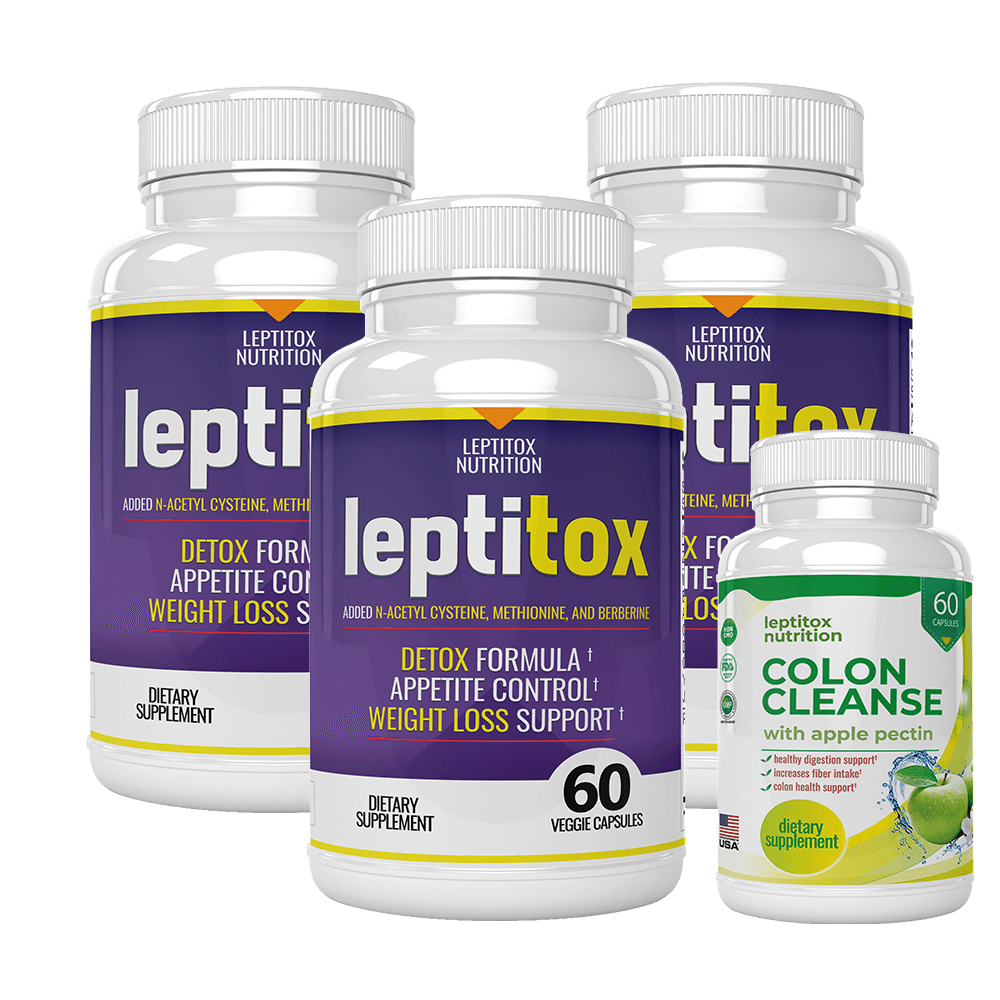
 The Ultimate Hack